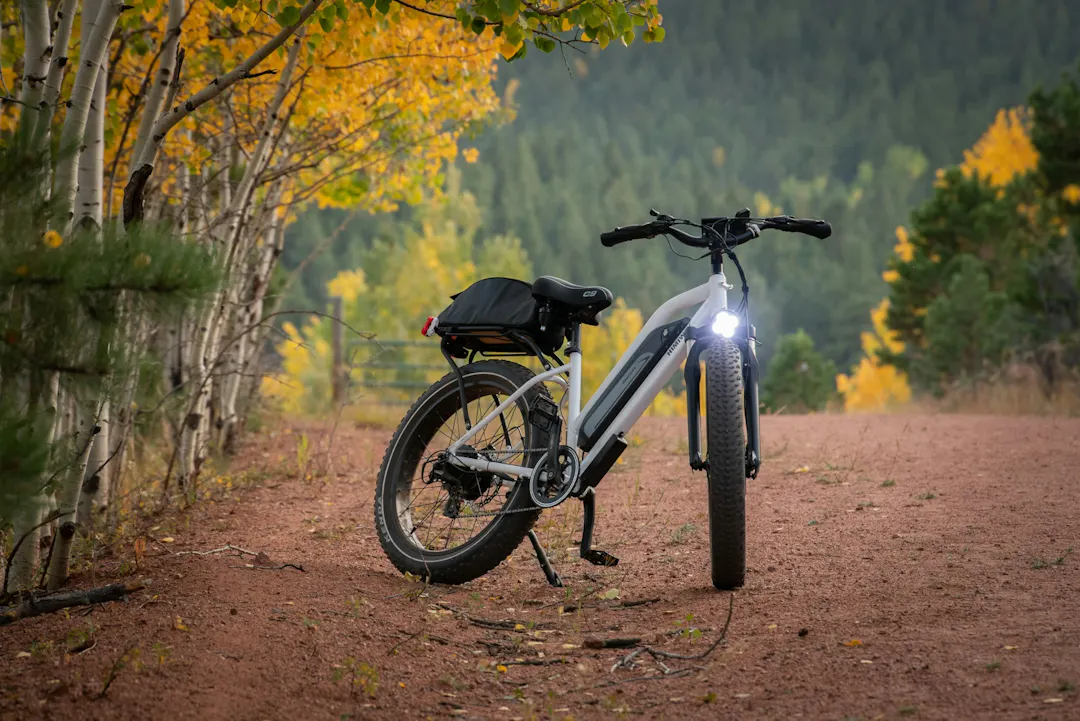
E-bikes (electric bicycles), and e-motorcycles/e-dirt bikes (electric motorcycles/electric dirt bikes) have become increasingly popular transportation modes, especially for Island youth. There are clear differences between regular bicycles, e-bikes, and e-motorcycles/e-dirt bikes, described below.
In May 2025, the City Council amended the 2025-2026 Work Plan to include the development of an ordinance regulating the operation of e-bikes and e-motorcycles on the Island (AB 6688). In September 2025, the Mercer Island City Council adopted Ordinance No. 25C-24 establishing regulations for e-motorcycles (AB 6772).
Staff are in the process of developing regulations for e-bikes on Mercer Island. This pageContinue reading
E-bikes (electric bicycles), and e-motorcycles/e-dirt bikes (electric motorcycles/electric dirt bikes) have become increasingly popular transportation modes, especially for Island youth. There are clear differences between regular bicycles, e-bikes, and e-motorcycles/e-dirt bikes, described below.
In May 2025, the City Council amended the 2025-2026 Work Plan to include the development of an ordinance regulating the operation of e-bikes and e-motorcycles on the Island (AB 6688). In September 2025, the Mercer Island City Council adopted Ordinance No. 25C-24 establishing regulations for e-motorcycles (AB 6772).
Staff are in the process of developing regulations for e-bikes on Mercer Island. This page will provide background information, opportunities to engage, meeting materials and presentations, and track the regulations through their development. Additionally, this page will provide updates on the development of statewide regulations for e-motorcycles.
E-Bikes
Under RCW 46.04.169, e-bikes are bicycles that are assisted by an electric motor. There are three classes of e-bikes, distinguished by the e-bike’s maximum assisted speed and how electric assistance is provided.
- Class 1 e-bikes assist up to 20 mph and only provide electric assistance when the rider is pedaling.
- Class 2 e-bikes assist up to 20 mph but can propel the bike without pedaling using a throttle.
- Class 3 e-bikes assist up to 28 mph using a pedal assist. These e-bikes have additional rules, including a minimum age of 16.
Currently, class 1 and class 2 e-bikes can be ridden anywhere traditional bikes are permitted – including mixed-use trails, bike lanes, and roads – unless otherwise noted. Class 3 e-bikes can be ridden on roads and paved trails that allow motorized vehicles but are not allowed on soft surface trails. Class 3 e-bikes are also prohibited on sidewalks and on shared-use paths.
E-Motorcycles
Under MICC 10.53, an e-motorcycle means a motorcycle, as defined by RCW 46.04.330, which is powered by an electric motor and:
- Is not equipped with fully operable pedals capable of propelling it. Foot pegs are not considered pedals; or
- Has a motor with a power output that exceeds 750 watts; or
- Has a motor that continues to provide assistance when the vehicle reaches the speed of twenty-eight miles per hour.
E-motorcycles, like other motorized vehicles, are only allowed in parks on roads and in parking lots if they are properly licensed. Violations of these regulations are civil infractions, subject to impound and financial penalties.